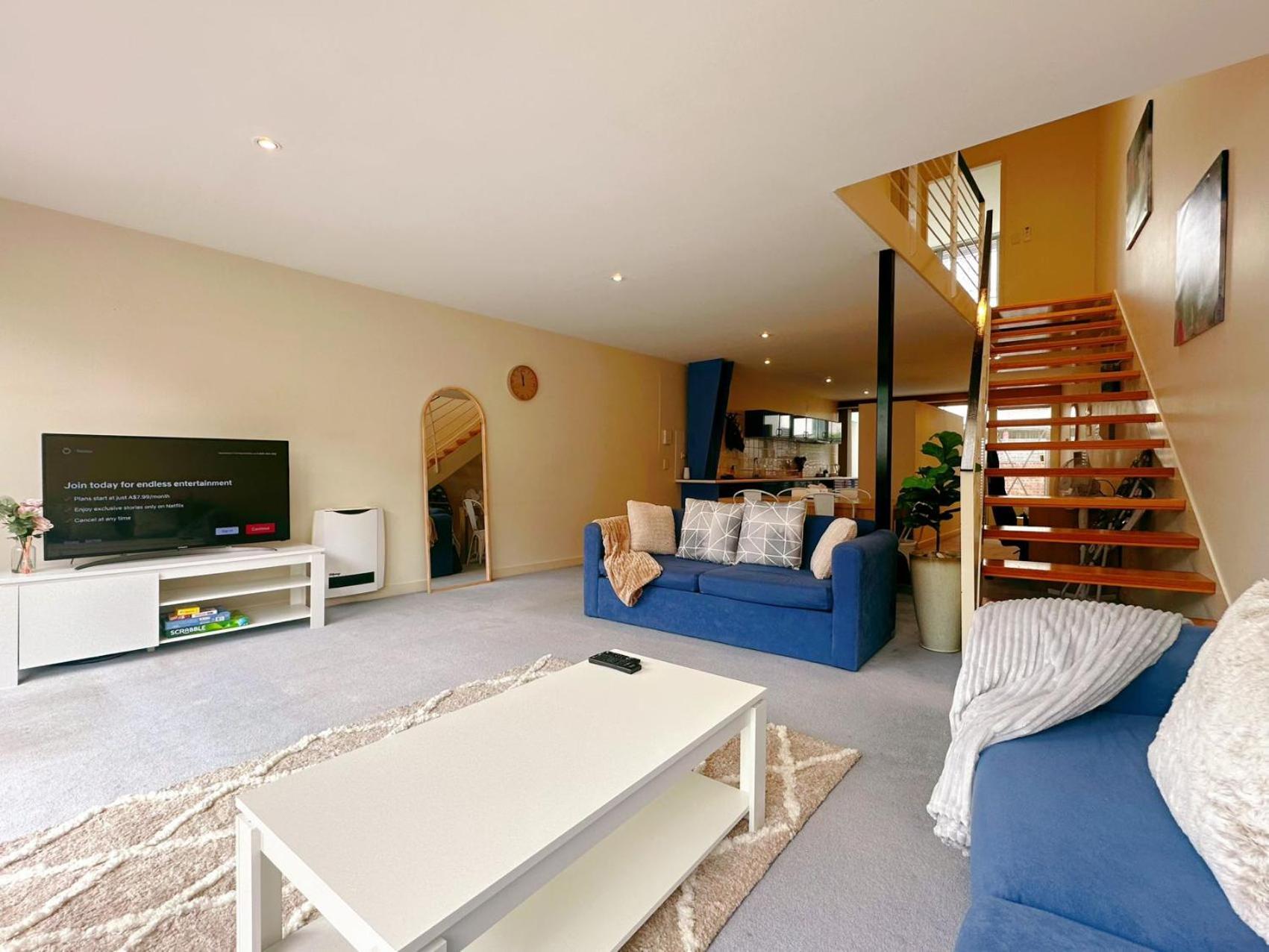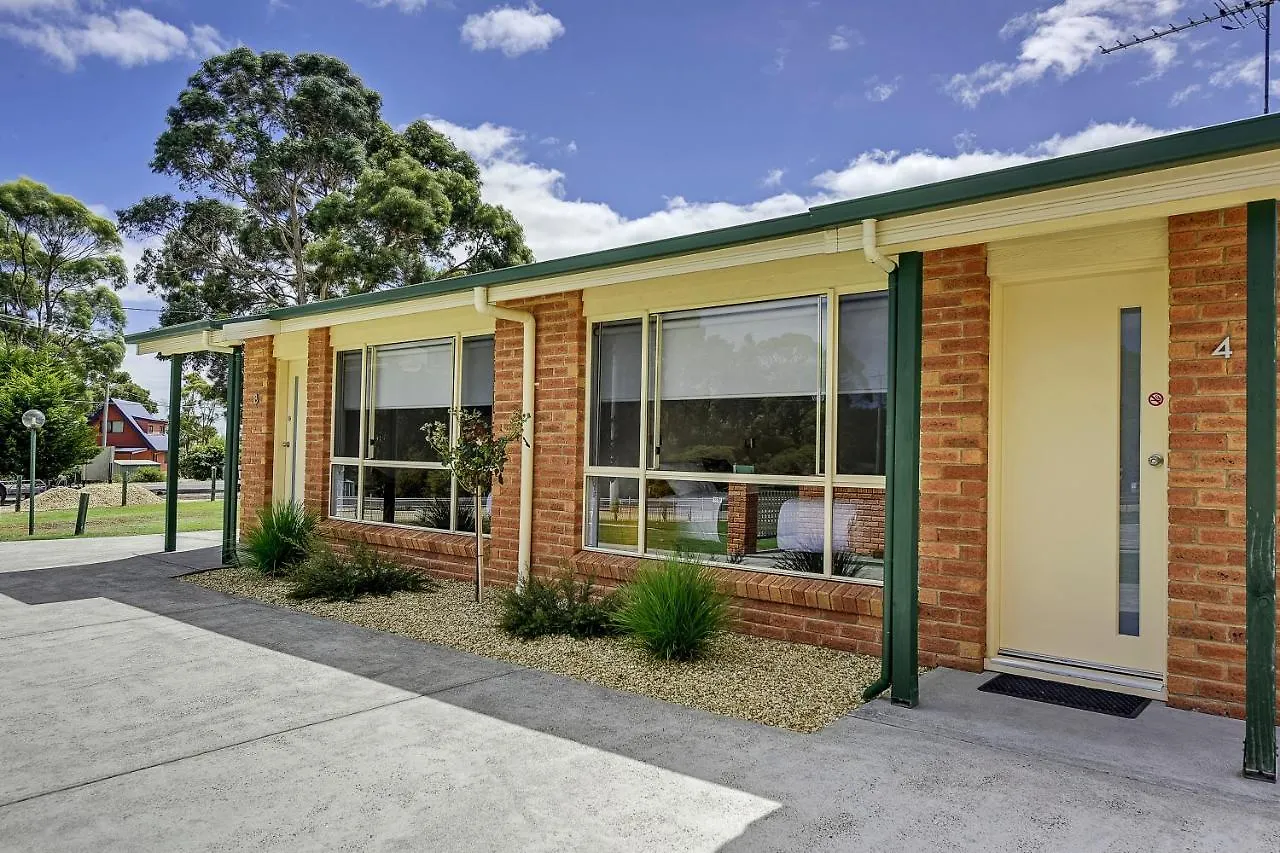
Tasmania's aparthotels fill a specific gap in the island's accommodation market: they give independent travellers the space and kitchen facilities needed for multi-day exploration without the cost of a full resort stay. From the Tasman Peninsula to the north-east coast, the five properties in this guide sit close to the island's most-visited natural and heritage sites, making them practical bases rather than just places to sleep.
What It's Like Staying in Tasmania
Tasmania is Australia's only island state, separated from the mainland by the Bass Strait, and that isolation shapes everything about how you travel here. A hired car is essential for reaching most of the island's key attractions - public transport outside Hobart is sparse and infrequent. The island draws nature-focused travellers: around 40% of Tasmania is protected as national parks or World Heritage wilderness, meaning crowd patterns spike sharply at trail heads and heritage sites rather than in city centres.
Travellers who prefer walkable urban neighbourhoods with dense dining and nightlife options may find rural Tasmania demanding. But those who want uncrowded coastal scenery, world-class convict history at Port Arthur, and access to remote hiking like the Three Capes Track will find few rivals anywhere in Australia. Self-contained accommodation is particularly practical here because many wilderness areas and smaller towns have limited restaurant options, making kitchen access a genuine advantage.
Pros:
- Access to wilderness areas, including Cradle Mountain and Freycinet, all within a half-day drive of most accommodation hubs
- Low population density means trail heads and historic sites feel far less crowded than mainland equivalents
- Self-catering stays offer real savings in areas where dining-out options are scarce outside peak season
Cons:
- No car means no practical access to most of the island's drawcard destinations
- Weather changes rapidly, particularly in the south and west - pack for all seasons regardless of time of year
- Ferry crossings from Melbourne take around 10 hours overnight, and flight connections to smaller airports like Devonport are limited
Why Choose Aparthotels in Tasmania
Tasmania's aparthotels are not simply hotels with a kitchenette added - many are purpose-built self-contained villas, cabins, or beach cottages that offer significantly more floor space than standard hotel rooms, typically starting at around 45 m2 per unit. Full kitchen facilities are standard across this category, making them the dominant choice for families and couples on stays of three or more nights who want to manage food costs in regions where restaurant options thin out quickly after dark.
Compared to Hobart's boutique hotels, rural aparthotels in Tasmania are priced competitively, though the trade-off is almost always remoteness: you pay less per night but need your own transport to access supplies and attractions. Properties near the Tasman Peninsula attract strong demand during summer school holidays, pushing availability down sharply in January and February. For solo travellers on short city breaks, standard Hobart hotels will often be more practical than the self-contained options listed here.
Pros:
- Full kitchens and BBQ facilities allow significant savings on food costs across a multi-day Tasmanian road trip
- Private balconies, gardens, and outdoor spaces are standard - rare in equivalent-price hotel rooms
- Free private parking is included at every property in this selection, removing a cost that adds up quickly in Hobart
Cons:
- Contactless or self-check-in is common - guests needing on-site reception assistance may find staffing limited
- Properties are spread across rural areas, meaning grocery runs to stock the kitchen may involve a 20-minute drive
- Minimum stay requirements often apply during peak season, reducing flexibility for short stopovers
Practical Booking & Area Strategy
Tasmania's accommodation market splits clearly into three geographic zones relevant to this selection: the Tasman Peninsula (Port Arthur, Eaglehawk Neck, Taranna), the north-east coast (Bridport), and the central highlands (Rossarden). The Tasman Peninsula corridor is the most visited, anchored by Port Arthur Historic Site - budget around 90 minutes of driving from Hobart International Airport to reach properties here. Bridport on the north-east coast is better positioned for golfers targeting Barnbougle Dunes and for travellers connecting through Launceston, which sits around 89 km away.
For itinerary planning, most travellers spend around 2 nights on the Tasman Peninsula before moving north or west. Eaglehawk Neck is a particularly strategic overnight stop: it sits between Hobart and Port Arthur, provides direct access to the Tasman Arch and Devil's Kitchen geological formations, and connects to the Tasman Island Cruise departure point. Book at least 8 weeks ahead for any January or February travel - southern Tasmania's peak season is short and accommodation fills faster than most travellers expect. The central highlands around Rossarden remain quieter year-round, making last-minute availability more realistic outside school holiday periods.
Best Value Stays
These aparthotels deliver strong practical value for self-drive travellers: full kitchen access, private outdoor spaces, and free parking at competitive nightly rates relative to their location and size.
-
1. Masons Cottages
Show on map


 Check-infrom 14:00 until 18:30Check-outuntil 10:00
Just a few rooms left at the best rate!
fromAU$ 152
-
2. Craggy Peaks Wilderness Cabins
Show on map


 Check-infrom 14:00 until 16:00Check-outfrom 08:00 until 10:00
Just a few rooms left at the best rate!
fromAU$ 155
-
3. Bridport Beach Cottages
Show on map


 Check-infrom 14:00 until 20:00Check-outfrom 07:00 until 10:00
Hurry – almost gone at this price!
fromAU$ 238
Best Premium Stays
These two properties offer upgraded facilities, stronger on-site amenities, or more strategic positioning for travellers wanting a higher level of comfort and convenience during their Tasman Peninsula stay.
-
4. Amadiya Port Arthur Villas
Show on map


 Check-infrom 14:00 until 23:00Check-outfrom 09:00 until 10:00
Hurry – almost gone at this price!
fromAU$ 218
-
5. Lufra Beachside Hotel
Show on map


 Check-infrom 14:00 until 19:00Check-outuntil 10:00
Rooms filling fast – secure the best rate!
fromAU$ 161
Smart Travel & Timing Advice
Tasmania's peak season runs from mid-December through late February, when school holidays drive occupancy across the Tasman Peninsula and north-east coast to near capacity. Book at least 8 weeks ahead for any summer travel - Port Arthur-adjacent properties like Port Arthur Villas and Lufra Beachside Hotel fill first due to their proximity to the island's most-visited heritage site. January is the warmest and busiest month; if you visit then, expect higher nightly rates and reduced availability at short notice across all five properties listed here.
Shoulder season - March through May and September through November - offers the most balanced conditions: cooler temperatures that are well-suited to hiking the Three Capes Track, significantly lower crowd levels at Port Arthur, and nightly rates that can drop around 20% compared to peak summer. Winter (June-August) is viable for the central highlands and wilderness properties like Craggy Peaks, but coastal properties see lower demand and some local dining options may operate reduced hours. A minimum 3-night stay makes the most logistical sense for any of these aparthotels - the drive times between major attractions on the Tasman Peninsula and the effort of self-catering setup both reward longer stays over quick overnights.